

President Ferdinand “Bongbong” Marcos Jr. recently addressed the concerns of overseas Filipino workers (OFWs), promising to strengthen ties with host countries to ensure their safety and protection. In a video message delivered on Migrant Workers’ Day, Marcos acknowledged the challenges faced by OFWs, including being far from their loved ones and adapting to new cultures. He expressed his administration’s commitment to fostering stronger relationships with the countries hosting Filipino migrant workers, emphasizing the importance of their safety, welfare, and well-being.
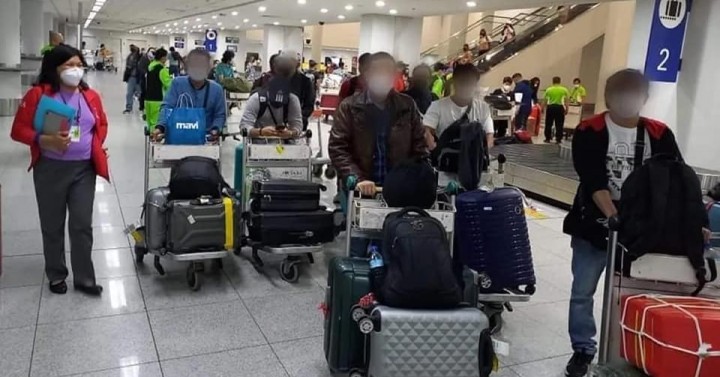
Recognizing the contributions of OFWs, Marcos referred to them as modern-day heroes. He assured them that the entire nation stands united in pride and admiration for their work, which gives them meaning and purpose. This recognition highlights the significance of the OFW community and their role in the Philippines’ socioeconomic development.
The Philippines has long been recognized as a reliable source of skilled manpower, with OFWs occupying positions in various industries such as healthcare, hospitality, maritime, engineering, automotive, and others. The Philippine Statistics Authority (PSA) reports that there were approximately 1.83 million documented OFWs as of 2021.
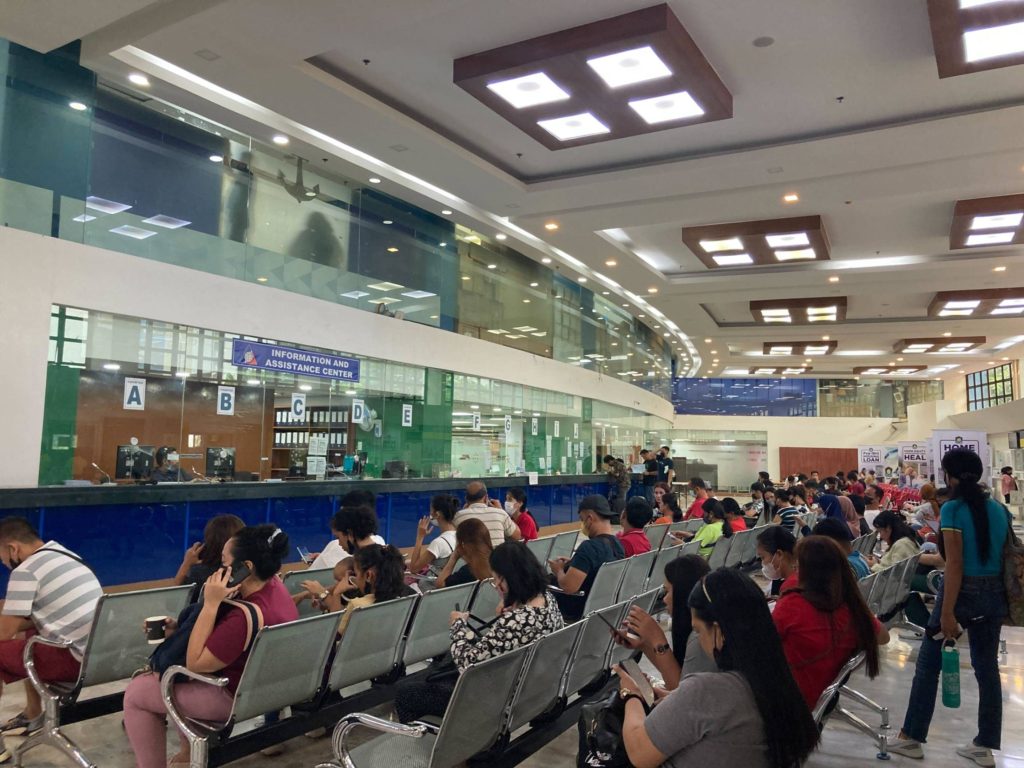
In terms of destinations, Asia remains the primary region for OFWs, accounting for 78 percent of the total. Europe follows at 9 percent, while North and South America make up 8 percent. Australia and Africa account for 2 percent and 1 percent, respectively. Among specific countries, Saudi Arabia is the leading destination, employing 24 percent of OFWs, followed by the United Arab Emirates at 14 percent.
The statistics reflect the magnitude of the Filipino diaspora and the significant number of OFWs contributing to various economies worldwide. However, these figures also underscore the importance of ensuring the well-being and protection of Filipino workers in their host countries.
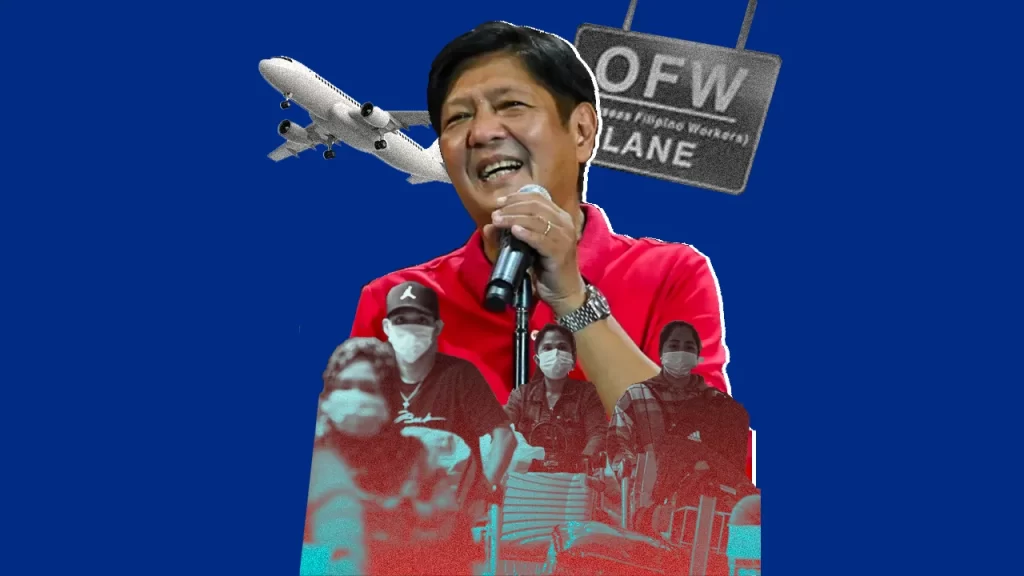
President Marcos’ commitment to strengthening ties with host nations is a crucial step towards enhancing the safety and security of OFWs. By establishing stronger relationships, the Philippine government can collaborate more effectively with host countries to address issues concerning labor rights, worker welfare, and other relevant concerns.
This approach aligns with global efforts to protect the rights of migrant workers and promote decent work conditions. International organizations, such as the International Labor Organization (ILO), have been actively engaged in advocating for the rights of migrant workers and supporting initiatives that enhance their protection and well-being.
In conclusion, President Ferdinand “Bongbong” Marcos Jr.’s recent address to overseas Filipino workers demonstrates his administration’s commitment to ensuring their safety and well-being. By forging stronger ties with host countries, the government aims to enhance the protection and support provided to OFWs. This recognition of their contributions as modern-day heroes acknowledges the significant role they play in the development of both their host nations and the Philippines. As the government continues to prioritize the welfare of OFWs, it can contribute to creating a safer and more secure environment for Filipino migrant workers around the world.