
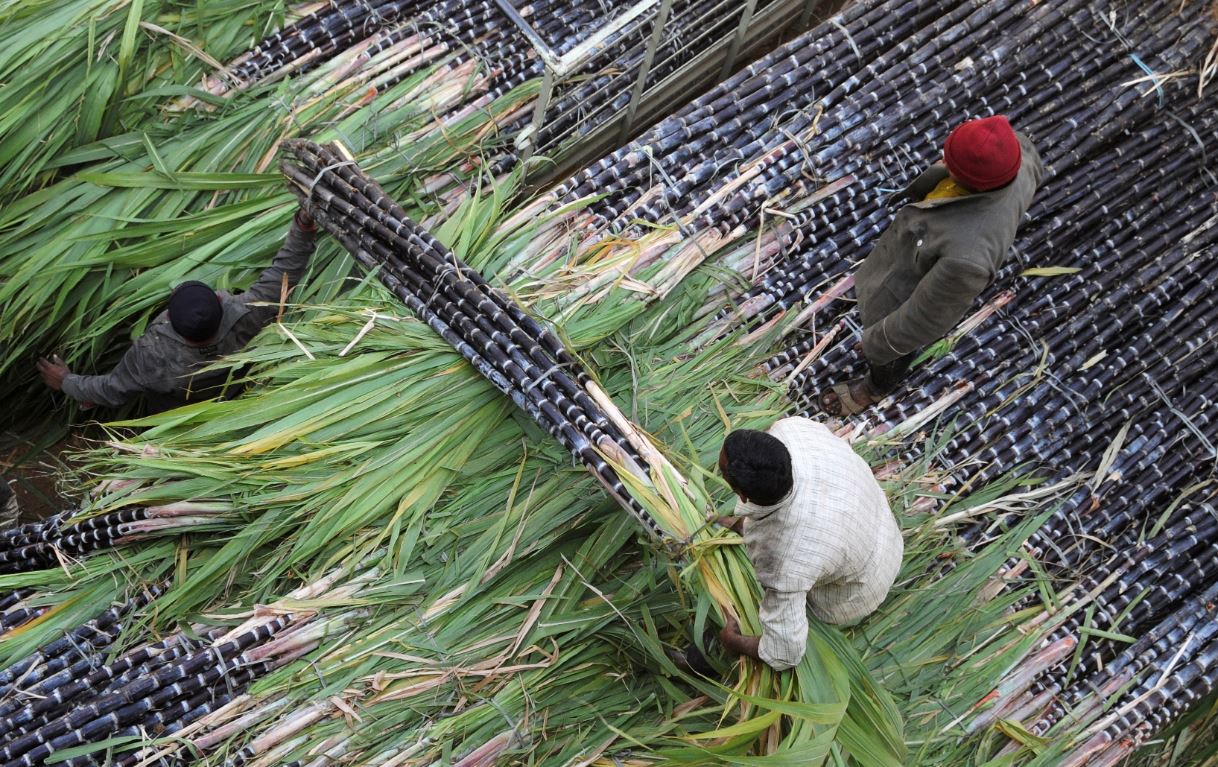
The Philippines is bracing for a potential drop in sugar production in the next cropping season due to the impact of El Niño.
The United Sugar Producers Federation (UNIFED) has projected that if the El Niño phenomenon is severe, sugar production could fall by up to 15 percent, or 180,000 to 200,000 metric tons, equivalent to four million 50-kilo bags. This would bring the total sugar output for the next cropping season to 1.6 million metric tons, down by 200,000 metric tons compared to the previous year’s output.
According to UNIFED President Manuel Lamata, small-hold farmers will bear the brunt of El Niño as they comprise 90 to 95 percent of the entire sugar industry and lack access to big irrigation facilities. Only big farms, which make up 10 percent of the total production, will have access to irrigation, leading to higher costs for them.
The SRA Board official, Pablo Luis Azcona confirmed Lamata’s projection, stating that the impact of El Niño will be felt next season, which begins in September. During the growing season, sugarcane needs water, and if it is dry and cannot be irrigated, production will go down.
The sugar industry is already facing a 10 percent loss this crop year due to an early start in harvesting sugarcane, which will end in early May. The SRA Board official added that the figure given by UNIFED for the next crop year is more or less accurate. He called for the SRA to finalize its inventory of local production to determine whether there is still a need to import additional sweetener to boost stocks in the country.
He said that as of now, 440,000 metric tons authorized by President Marcos is enough, and the SRA should conduct a survey inventory on end milling to determine whether it is not enough. If necessary, another 100,000 metric tons of sugar can be imported.
The Philippine government has already been urging farmers to shift to drought-resistant crops in anticipation of the El Niño phenomenon. Agriculture Secretary Emmanuel Piñol has warned that the phenomenon could cut rice and corn production by as much as 20 percent, affecting an estimated 1.2 million farmers.
The El Niño phenomenon, caused by the warming of the equatorial Pacific Ocean, occurs every two to seven years, lasting for up to 18 months. It can cause droughts, floods, and other weather disruptions, affecting agricultural production and food security in many parts of the world.
In 2015-2016, the most severe El Niño event in 50 years caused significant crop losses and food shortages, particularly in Africa and Asia.