

The Department of Education (DepEd) in the Philippines has authorized schools to shift to remote learning when the weather becomes too hot and potentially harmful to students and staff.
DepEd spokesman Michael Poa said in a statement that school principals and heads have been given the responsibility and authority to suspend in-person classes and switch to alternative delivery modes to protect the health of everyone involved.
Each school has a unique situation, so it is the school heads who will determine when to switch to remote learning. Senator Sherwin Gatchalian has also suggested that DepEd consider changing the school break to April to May to avoid the hot season.
After two years of distance learning due to the pandemic, schools in the Philippines have resumed in-person classes. However, the weather bureau PAGASA has warned that the country may experience even warmer days ahead. On Saturday, a heat index of 44°C was recorded in Catarman, Northern Samar, and Virac, Catanduanes, and 43°C at the Ninoy Aquino International Airport.
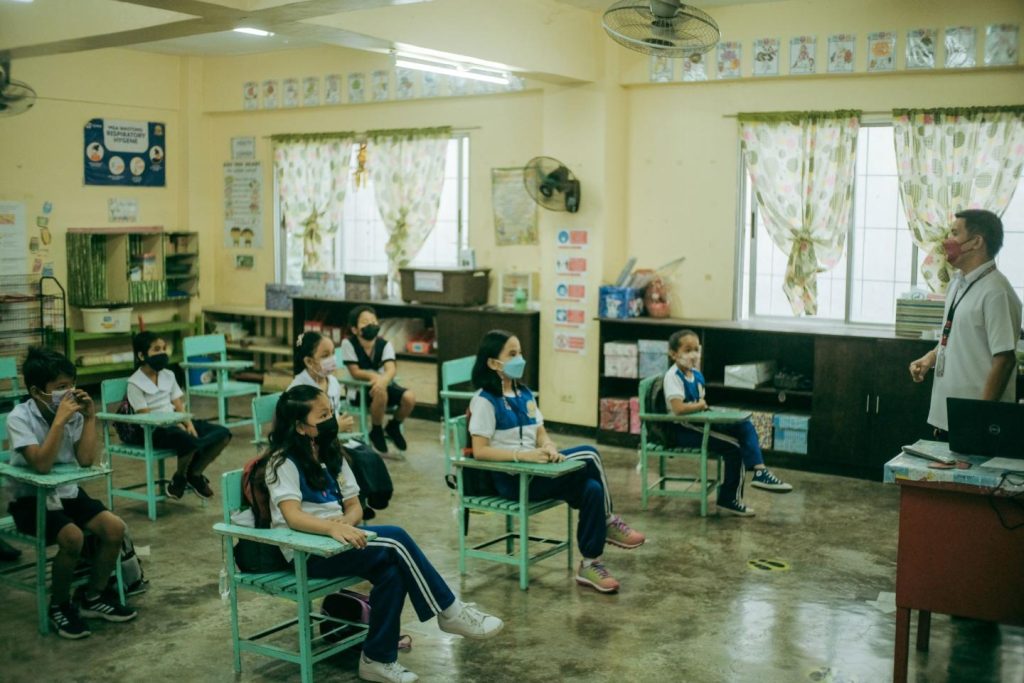
The Department of Education is prioritizing the health and safety of everyone involved in education. They are making sure that students and staff can continue their studies and work even during extreme weather conditions. By allowing schools to shift to remote learning, they can still maintain continuity in education while also ensuring that everyone is safe and healthy.
The shift to remote learning during extreme weather conditions is not new. Countries such as Australia and India have already implemented this practice. In India, schools often close during heatwaves, and students are given take-home assignments. In Australia, students are allowed to stay home and complete their assignments online if the weather conditions are too extreme.
Remote learning has become a viable option for schools worldwide during the pandemic. With the rise of technology, it is now easier to implement remote learning, and students can still receive quality education even from home. The DepEd in the Philippines recognizes this and is taking advantage of this alternative delivery mode to ensure that students continue to receive education while still prioritizing their health and safety.